
Development of Electricity Prices in Germany and Austria
Electricity prices in Austria have risen sharply in recent years, affecting households of all sizes. Whether you're living alone or with a big family, the increasing costs are likely noticeable in your monthly bills.
Discover the details behind these changes and what they mean for your energy bill.
Quick access to the content
Are Electricity Prices in Austria Increasing or Decreasing?
In the past decade, electricity prices in Austria have seen quite a lot of ups and downs. Currently, for households, it’s at the rising stage. As a consumer, now you pay between 20 and 40% more than you did just two years ago. For businesses, however, the situation has been getting slightly better.
What is the Electricity Price per kWh in Austria?
Your annual electricity consumption has an impact on your electricity bill; it’s a fact. But to what extent? The average electricity price in Austria is currently around €0.33 per kWh. Smaller households with low consumption pay approximately €0.46/kWh, most consumers pay €0.36/kWh, and larger households or energy-intensive users pay €0.30/kWh.
Here’s what the energy prices for households were like in the first half of the year 2024:
For businesses, the average price during the same period was approximately €0.22 per kWh, with rates ranging from €0.32 per kWh for consumers using up to 20 MWh annually to €0.17 per kWh for those consuming over 150,000 MWh annually.
Source: e-control.at
Keep in mind that prices differ dramatically depending on the region.

Igor Schellander, Market Research at go-eRegional differences lead to dissatisfaction
Regional differences are one of the reasons why people in some areas are especially unsatisfied with current electricity prices. Recently, the Austrian government proposed uniform electricity grid tariffs, but this was rejected by Austria's western federal states such as Vorarlberg and Tirol.
How have electricity prices changed in Austria from 2022 to 2024?
From the second half of 2022 to the first half of 2024, electricity prices for households in Austria have been going up. This includes all consumer groups, from small households to those with high energy needs.
In contrast, businesses are benefiting from a slight reduction in electricity prices, which have decreased by 8%. For them, electricity prices changed from €0.24 to €0.22 per kWh.
How is the Electricity Price per kWh Calculated?
The final electricity costs per kWh are calculated from the energy price, network charges, taxes, and levies. This year, energy prices themselves have been the main driver of the cost increase. Grid costs and taxes, on the other hand, have remained relatively stable in 2024.
Why are Electricity Prices in Austria Going Up?
Electricity prices in Austria have remained high for a while now. The main reasons why electricity prices are going up are the need to recover past procurement costs, increased CO₂ pricing, higher network charges, and the ongoing gas supply issues from Russia. Let's have a closer look at each factor.
High procurement costs
Electricity providers are still dealing with the extremely high costs they paid for electricity last year. They need to recover these costs, so obviously they keep the prices high.
CO₂ tax
The price companies pay for emitting CO₂ has risen from €32.50 per tonne to €45 per tonne in 2024. This makes electricity generation from fossil fuels more expensive, which affects overall prices.
Higher network charges
In 2024, network charges have jumped up compared to the previous year. This, unfortunately, added up to the cost of electricity.
Gas supply issues
The ongoing stoppage of gas supply from Russia continues to affect gas prices. As you probably know, gas-fired power plants are crucial for electricity generation. No wonder the cost of producing electricity went up.
Forecast for Electricity Prices in Austria in 2025
Electricity in Austria is likely to become significantly more expensive from 2025 due to rising grid fees, increased taxes, and the expiration of the government price cap.
Are Electricity Prices in Germany Increasing or Decreasing?
Electricity prices in Germany are decreasing. In 2025, households are seeing some good news: the average electricity price has dropped by 0.42 cents/kWh, compared to last year. As a result, the current average is 39.8 cents/kWh for people with a typical annual consumption of 3,500 kWh.
So, is the trend of rising costs starting to reverse? We invite you to take a closer look.
What is the Electricity Price per kWh in Germany?
For regular households, the average electricity price is 39.8 cents/kWh, while small to medium-sized industrial companies pay an average of 18.75 cents/kWh. While households have experienced a decrease in prices compared to 2024, resulting in some relief, the cost for industrial companies has risen slightly.
How have electricity prices changed in Germany from 2022 to 2025?
In recent years, electricity prices have fluctuated significantly from year to year. In 2022, electricity in Germany cost an average of 46.27 cents per kWh. By 2023, it rose significantly to 47.01 cents per kWh. However, the situation is much better this year, with the average electricity price in Germany at 39.8 cents per kWh. While this is slightly higher than in 2024 (40.22 cents per kWh), it is still much lower than in the previous two years.
The change was even greater for small and medium-sized enterprises. In 2022, they paid 43.2 cents per kWh, but in 2023 the price fell to 24.46 cents. In 2024, it dropped further to 17.09 cents, and now, in 2025, it is 18.75 cents per kWh, so slightly higher compared to the last year. For businesses that rely heavily on energy, this reduction is a wonderful opportunity to cut costs, boost efficiency, and redirect funds into growth or innovation. Say, installing a fleet of chargers for charging company cars.
How is the Electricity Price per kWh Calculated?
The total electricity cost = generation costs + delivery costs + taxes and levies + network charges. As you can see, the price per kWh isn’t just about the energy itself — it’s a cocktail made of several components.
Note: The closer you live to energy sources such as wind farms in northern Germany, the lower the grid costs can be. These costs, which account for 20-25% of the total price, are used to build, maintain, and expand the electricity grid.
What Influences the Electricity Price?
Electricity prices are a reflection of a balance between supply and demand, the type of energy used, and the cost of building and running power plants. In other words, the cost you pay per kWh is shaped by a combination of market factors and production methods.
Market supply and demand
Electricity prices are determined on national and international platforms like EEX or EPEX Spot. The math here is simple: when demand is low and supply is high, prices are low. But when demand increases (e.g., during hot summers) or supply decreases (e.g., less wind power), prices rise.
However, this principle does not always apply. Many energy companies such as Verbund purchase energy for a longer period in advance. As a result, their purchase price — and therefore the consumer price — does not always reflect the short-term fluctuations of the energy market.
Technology and production costs
The way electricity is generated also plays a role. For instance, renewable energy sources are cheaper to produce because they don’t require fuel or CO2 certificates, unlike traditional power plants that use coal, gas, or oil.
Pricing mechanism
Electricity prices are set like an auction. Power plants offer electricity starting with the cheapest, and more are added until there’s enough to meet demand. The price of the last, most expensive power plant used sets the price for all electricity, so even cheaper plants get paid that rate.

Igor Schellander, Market Research at go-eElectricity prices in Germany are above the European average
Electricity prices in Germany and many other countries are above the European average. One of the reasons for this is the merit order principle, where gas-fired plants set the leading price. Without reform, the transition to fossil-free energy and price increases will persist.
Why are Electricity Prices Going Down?
Although electricity prices in Germany are still among the highest worldwide, the good news is that they’re heading in the right direction. But what’s driving this positive change? We’ve looked into it and are ready to share what we’ve uncovered.
More green energy than ever
Germany is hitting new highs with renewable energy. In the first half of 2024, 140 terawatt hours of renewable electricity were produced — more than ever before. This made up 65% of all electricity generation, positively reflecting on the electricity bills of those living in Germany.
Reaching the balance between import and export
In early 2024, Germany bought more electricity than it sold, with a net import of 11.3 terawatt hours. Since the electricity prices of wind and hydropower in Scandinavia are rather low, the imports were a more financially beneficial decision than using electricity from German coal and gas-fired power plants. Meanwhile, Germany sent electricity to countries like Austria and Poland, using its well-connected grid to profit when it had surplus power.
Government stepped in
The German government introduced the so-called price caps and subsidies to protect consumers and industries from sky-high energy costs. These measures acted like a safety net, preventing prices from spiralling out of control.
What Can I Do About the Electricity Price Changes?
Whether energy prices are rising or falling, it's important to have control over your energy costs. Key steps include switching providers for the best tariff, monitoring your energy usage, and generating your own solar power.
Compare and switch providers in order to achieve maximum cost savings
Different providers often have different rates, special deals, or discounts, and by checking around, you can find options that better suit your needs and cut down on costs. Regularly comparing plans makes sure you're not overpaying for services.
Keep an eye on your energy usage
Install a smart meter to track real-time energy usage. Many apps can connect to your smart meter and give you detailed insights into where and when you're using energy, helping you identify opportunities to reduce consumption.
Invest in solar panels
If possible, install PV panels to generate your own electricity. This will reduce your reliance on the grid and protect you from fluctuating prices. Adding a battery storage system for your solar energy will provide extra security. While such a solution is still relatively pricey, it has become more and more affordable in recent years.
How Can I Charge My Electric Car at a Low Price?
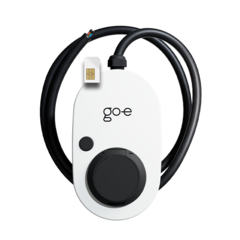
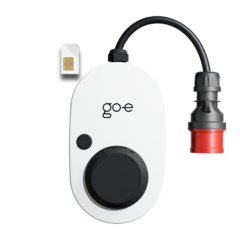
One of the most effective ways to charge your electric car at a low price is by installing a smart wallbox at home. Charging with your own electricity is always cheaper than using public charging stations, whether it’s regular AC chargers or fast and superfast DC chargers.
We mentioned that the wallbox must be smart for a reason. While cheaper, simple ones are only able to direct power from the grid into your car once you plug in the cable, intelligent ones come with money-saving features. Once you try them, you will never want to use simple charging!
When shopping for a smart wallbox, here are the features to look for:
PV surplus charging
When the day is especially sunny and while all the devices at home are getting enough power from the solar panels, there is still some left, it can be fed into your car battery. You can do that with an Energy Management System such as the go-e Controller and the go-e Charger. The EMS tracks the amount of energy available and gives the charger a signal to initiate charging once there is surplus power.
Flexible energy tariffs
With dynamic energy tariffs, your electric car becomes a smart money-saver, charging when electricity prices are at their lowest. Using the go-e Charger’s “ECO mode,” your wallbox automatically tracks real-time prices from your energy provider and charges only when costs hit your preferred level. For flexibility, the “Daily trip” mode ensures your car gets the required energy on time while still selecting the cheapest hours to save you money.
Note: From January 1, 2025, all electricity suppliers in Europe must offer dynamic tariffs.
kWh limit
If you live in a hilly area and plan to recharge through “recuperation” while coasting downhill, you don’t need a full charge. So why spend money on that? In the go-e app, you can simply set your desired energy amount, having full control and flexibility for your trip.
RFID
What if someone uses your wallbox while you're not home? With RFID management, you can prevent unauthorised access. Simply restrict access to yourself, your family, or others by registering their RFID tags in the go-e app. Only registered users will be able to charge. Plus, the app keeps track of who charged, how much, and when. This means if you share your wallbox with a neighbour, you’ll know exactly how much they owe from your electricity bill.
Summary
Electricity prices in Austria have been rising due to higher procurement costs, increased CO₂ pricing, and ongoing gas supply issues.
Despite rising costs in many sectors, electricity prices in Germany have decreased compared to last year.
To manage electricity price changes, compare providers for the best tariff, monitor your energy usage with smart tools, and consider generating your own solar power to reduce costs. When it comes to electric car charging, doing it at home may increase your electricity bill, but it’s still cheaper than relying on public charging stations. This can help reduce your overall costs in the long run.

![[Translate to Englisch:]](/fileadmin/_processed_/d/7/csm_electric-vehicle-lithium-nmc-battery-electric-car-2025-01-29-04-42-32-utc-min_0d337e19d4.jpeg "[Translate to Englisch:]")